Maria Giulia Sofi
Supervisor
Stefano Zorzanello
Maria Giulia Sofi
Supervisor
Stefano Zorzanello
Acoustic Violence and the Aesthetic Dimensions of Sound in Urban Space
Research Question
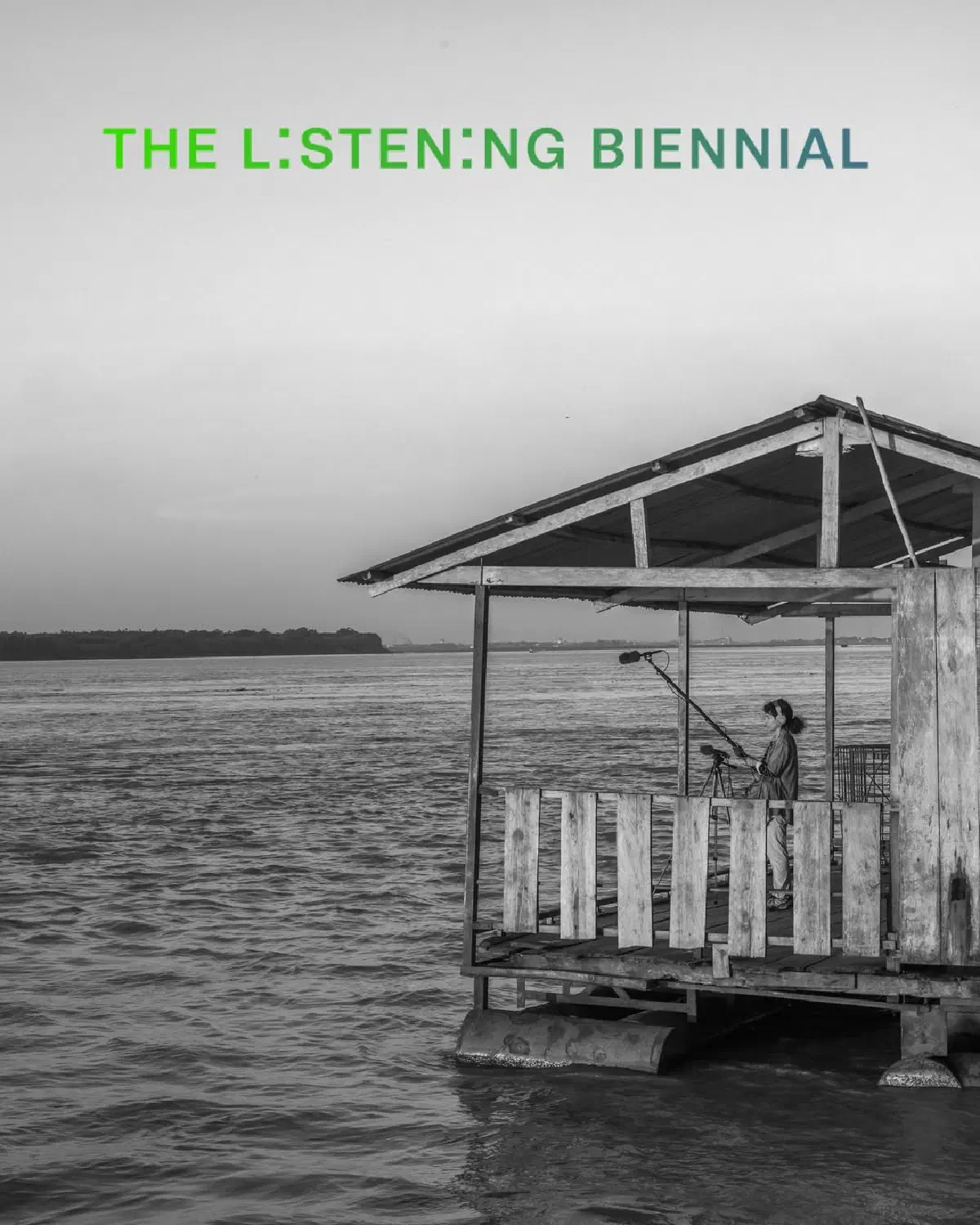
This research focuses on listening as a practice of attention and intervention in relation to what is perceived through the body. Grounded in the theoretical framework of Sound Studies, it investigates sonic phenomena in the context of the contemporary urban space, with particular attention to the concepts of sonic penetration and acoustic violence as developed by Brandon LaBelle: “Acoustic violence emerges when sound is used to dominate, invade, or control the space and bodies of others, imposing itself without consent” (LaBelle, 2010). Listening is considered as a critical tool for examining the effects of acoustic violence and the forms of resistance generated through artistic and relational practices. Particular relevance is given to the voice as both an aesthetic and political practice. The field of analysis is delimited to works and performances presented within the Listening Biennial, conceived by Brandon LaBelle, selected as a case study due to its transnational nature and its focus on sound-based practices in the public space.
Methodology
Research through arts provides the overarching methodological framework, integrated with a qualitative approach based on the interpretation of creative processes in urban environments. The research methods include participant observation, field recording, diary-based practice, and phonographic documentation, developed in dialogue with anthropology and ethnomusicology. The research unfolds through the following stages:
direct participation in performances;
field-based phonographic documentation;
written description and methodological analysis of the practices observed;
critical re-elaboration toward the development of a personal poetics of sonic and vocal practices inspired by the work of artists participating in the Listening Biennial.
The research timeline is closely connected to the event itself, which is structured around specific temporal clusters. These clusters consist of sound performances planned according to the Biennial’s two-year program. Within these temporal frameworks, the research focuses on works and artistic investigations addressing themes of acoustic violence, listening, vocal practices, and relational ecological politics.
Case Studies
Given the limited scholarly literature on this topic within contemporary art, the research offers an in-depth examination of selected artists whose practices engage with sound and performance within the context of the Listening Biennial. In particular, attention is devoted to the ways in which citizens develop forms of relationship and collective participation within a shared aesthetic space through artists’ sonic practices.
Data Analysis and Interpretation
The works are organized according to thematic clusters related to listening, with a particular focus on the concept of Third Listening as a relational and intersubjective practice within urban contexts. The analysis combines participants’ testimonies with critical interpretations of the artworks, to examine their relationship to space and the aesthetic dimensions they generate. The research ultimately positions itself as a forward-looking inquiry into an evolving field of action, by engaging with artistic practices, social processes, and the sensory dimensions of contemporary space.
Bibliography
Bibliography
Barbanti R., (2020), Dall’immaginario all’acustinario: prolegomeni a un’ecosofia sonora, Galaad Edizioni
LaBelle B., (2023), La giustizia acustica: Ascoltare ed essere ascoltati, Nero
S. Harney, F. Moten, (2021) Undercommons: pianificazione fuggitiva e studio nero, Tamu
SPECTRES IV A Thousand Voices, (2023), Shelter Press