Francesca Cugno
Supervisor
Rosario Antoci
Francesca Cugno
Supervisor
Rosario Antoci
Mediterranean Archive: Visual Perceptions and the Cultural Construction of the Mediterranean
Percezioni visive e costruzione culturale del Mediterraneo
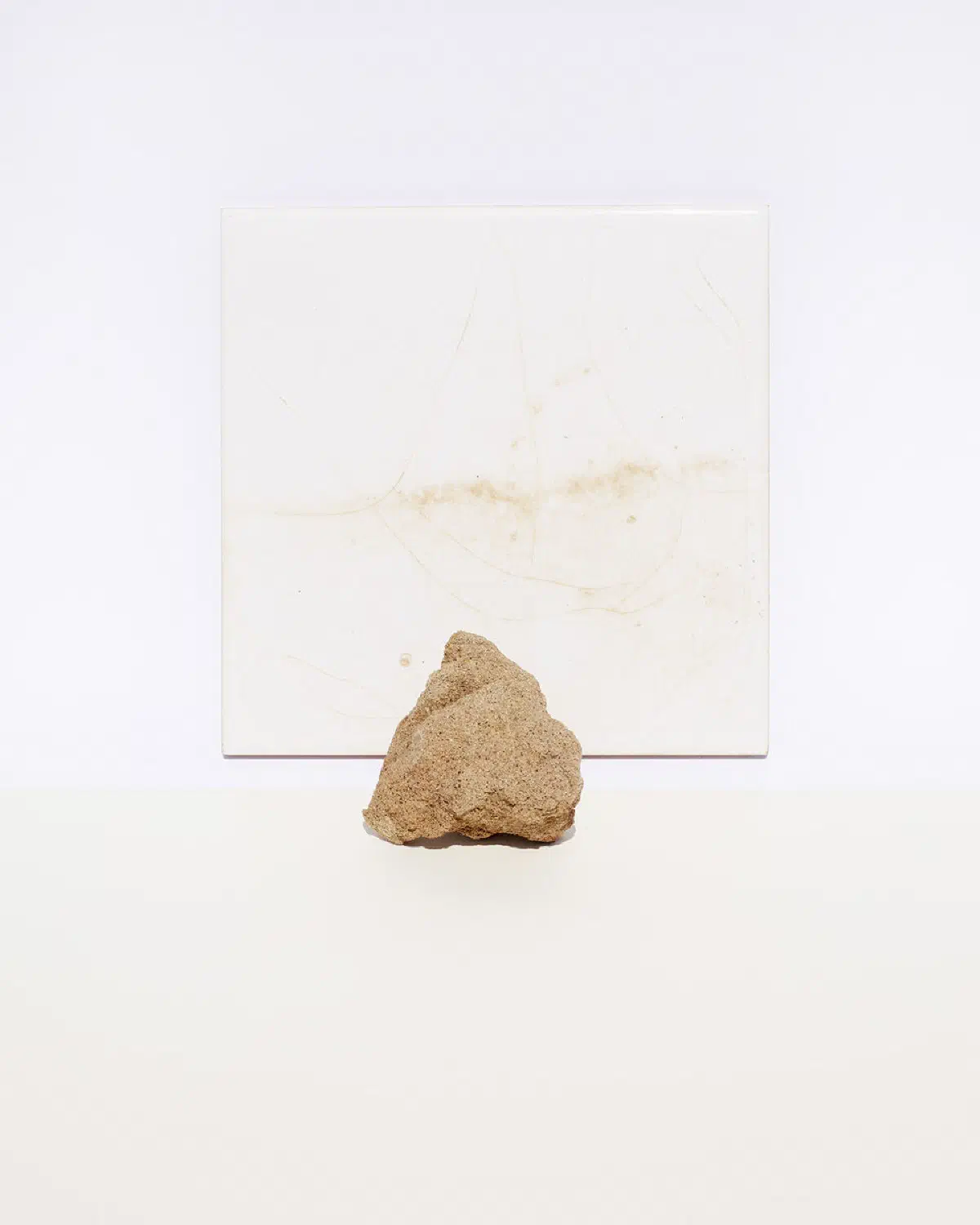
Research Question: How can the processes of perceiving and creating images transform the archive from a tool of static preservation into a critical and perceptual space?
This research examines photography’s role in the construction of the gaze upon the contemporary landscape, with particular attention to the processes through which territory is rendered visible as image. Taking the geographical context of Pachino and Portopalo di Capo Passero as an observatory in south-eastern Sicily, the research considers landscape as the outcome of the interaction between different typologies of images (field-produced images, media, archival materials). The project observes how these images contribute to constructing and transforming the modes of perception of territory.
Methodology for Achieving the Objectives
The project adopts a mixed, practice-based methodology, which regards the photographic medium as an integral part of the knowledge production process. The research is structured in four phases: Theoretical and iconographic survey of landscape, photography, and visual imaginaries Construction of the corpus, comprising archival materials and field produced images Comparison between heterogeneous series of images (field / media / archives) Progressive construction of an archive as an analytical tool The analysis focuses on comparative and recurrent criteria across the images, including: Selection and framing (inclusion and exclusion) The position of the gaze The modes of circulation and repetition of representations
Case Studies
The research takes place in the territories of Pachino and Portopalo di Capo Passero in south-eastern Sicily – an area within the so-called fascia trasformata (transformed belt), characterised by processes of profound landscape reconfiguration linked to productive dynamics. The choice of these contexts responds to their specific geographical and cultural condition: they are situated in a zone of marginality at the iskand’s southern limit, where the relationship between coast, hinterland and local memory contributes to the definition of a stratified and continuously transforming landscape. The case study makes it possible to understand how landscape is a space lived and perceived through time. These territories thus become an observatory for investigating how images are formed, and how they call into question the visual imaginaries of the Mediterranean.
Data Analysis and Interpretation of Results
The analysis brings the various collected materials into dialogue through recurrent comparative criteria, in order to identify continuities, variations, and the modes through which representations of territory are constructed. The expected results comprise both the elaboration of an interdisciplinary framework for the relationship between images and landscape, and the construction of a photographic archive as a tool for bringing different forms of narration into relation, while applying a forward-looking perspective.
Bibliography
Bibliography
Camporesi, S. (2025). Una foto è una foto. Einaudi.
Jakob, M. (2022). Le origini tecnologiche del paesaggio. LetteraVentidue.
La Cecla, F., & Zanini, P. (2025). Lo stretto indispensabile: Storie e geografie di un tratto di mare limitato. Bruno Mondadori.
Teti, V. (2022). La restanza. Einaudi.
Zanchi, M. (2022). La fotografia come medium estendibile. Postmedia Books.