Elisabetta Laviano
Supervisor
Marco Lo Curzio
Elisabetta Laviano
Supervisor
Marco Lo Curzio
Design of Public Trust
Visual practices and participatory devices for the shared narration of the territory
Research Question
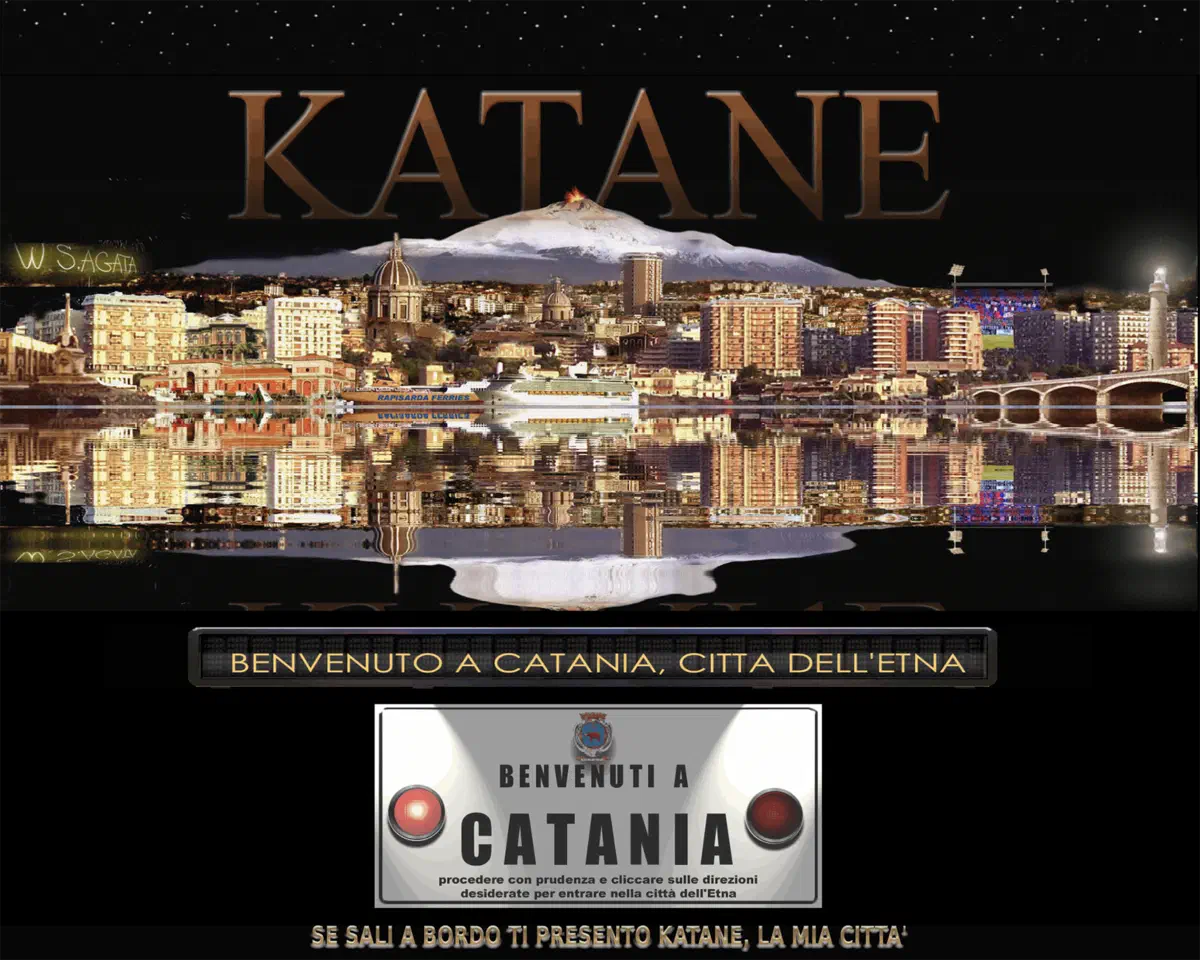
How can visual communication design make the archive a device for shared narration of the territory, operating as a tool for mediation between the institutional and civic spheres, contributing to the construction of a measurable concept of public trust and producing a transferable methodological model? The Etna territory and the city of Catania constitute the case study on which to test this hypothesis and develop a methodological toolkit that can be transferred to similar contexts.
Methodology
The research adopts a research-through-design approach with a mixed-methods design: qualitative for the interpretation of visual and narrative data, and quantitative for the measurement of participatory processes, to verify the mediating role of visual communication in the growth of public trust in a community. The research is structured around three related methodological nuclei: the definition of public trust as an operational field of design; the foundation of an archive as a participatory device; the activation of the participatory archive as a source of visual artefacts useful for initiating processes of relationship between the civic sphere and the institutional sphere of the community.
Case studies
On a local level, the research involves civic and cultural realities active in narrating the territory, Fermento Urbano, Isola Catania, Suq, Unconventional Sicily, in dialogue with scientific institutions and archives such as the INGV of Catania and the Librino Archive. The comparison with European models of civic design, Design Academy Eindhoven, ESAD Matosinhos, allows the model to be validated in contexts with established traditions of participatory public communication, adapting its principles to the Mediterranean context.
Data analysis and interpretation of results
The analysis is structured around the contributions of three types of actors who build and navigate the archive: those who cross the territory from the outside as researchers of difference, those who live there permanently as bearers of direct experience, and the already existing visual and editorial products as traces of previous narratives. Public trust is not studied in a sociological sense but inferred from observable indicators, such as participation, recognition, the circulation of artefacts, and institutional responses, which could signal multiple forms of rapprochement between distant subjects, while recognising that these signals remain open to alternative interpretations. The results will be interpreted in light of archiving practices as ‘productive obsessions’ (Baldacci, 2017) and the design-for-social-innovation paradigm (Manzini, 2019) to assess whether the model constitutes a transferable contribution to the field of public utility design.
Bibliography
Bibliography
Businaro, G., Litt, G., & Maragno, D. (a cura di). (2022). La città come laboratorio di apprendimento permanente. Anteferma Edizioni
Groys, B. (2022). Filosofia della cura (V. Cianci, trad.). Timeo
Manzini, E. (2022). Livable Proximity. Ideas for the City that Cares. EGEA
Tufarelli, M. (2022). Design, Heritage e cultura digitale. Scenari per il progetto nell’archivio diffuso. Firenze University Press.