Chiara Marano
Supervisor
Francesco Di Vincenzo
Chiara Marano
Supervisor
Francesco Di Vincenzo
Dancing Memories: Catania's Choreographic Heritage – Body, Archive and the Digital
Il patrimonio coreutico catanese tra corpo, archivio e digitale
Research Question
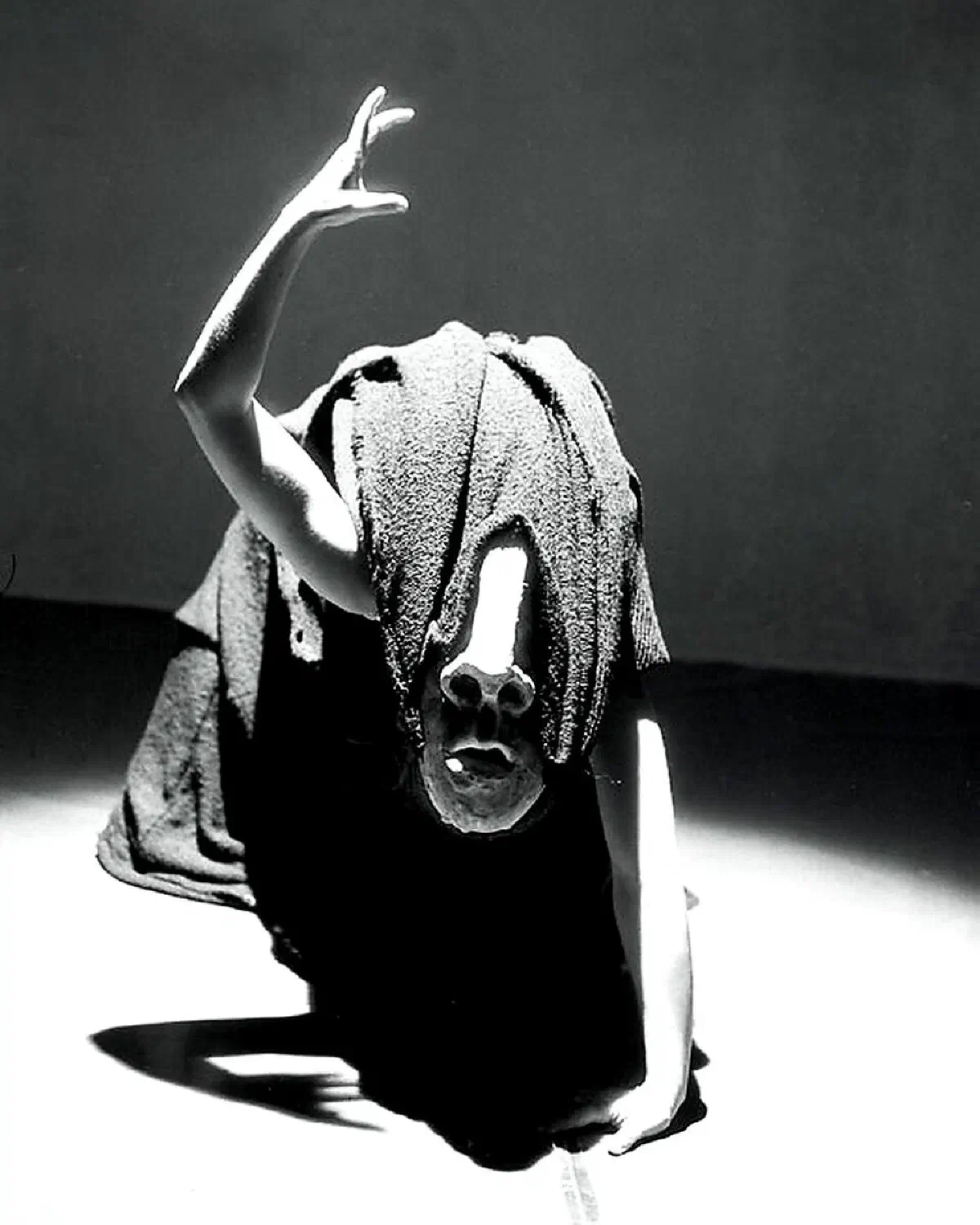
My interest in dance in and around Catania stems from meeting Donatella Capraro and discovering the Compagnia di Danza Efesto. The research journey begins with the mythological origins of dance in Sicily, centred on the figure of Androne, traditionally regarded as the first dancer. This historical perspective highlights the longstanding relationship between dance and the city of Catania, linking this legacy to the Compagnia Efesto and other contemporary initiatives in the region. This project explores the heritage connected to the art of dance, which has not yet been systematically catalogued, and aims to create a digital archive dedicated to contemporary dance in the Catania area. The case study serves as a pilot model for developing archival methodologies that could be applied to other archives, thus facilitating their use in different geographical and cultural contexts.
Methodology for Achieving the Objectives
The project involves the inventory and mapping of the Efesto archive and related collections, accompanied by the analysis of diverse types of documents, including posters, programmes, photographs, audiovisual materials and press reviews. The collection of oral testimonies through interviews complements this phase. At the same time, the project will develop on a technical and archival level through the cataloguing and standardisation of data, following practices adopted nationally and internationally in the conservation and promotion of contemporary performing arts heritage.
Case Studies
The research is structured around one or more case studies, with particular focus on the Compagnia di Danza Efesto. The study is based on the analysis of the collected documentation, complemented by an examination of collaborations developed with cultural organisations, including those beyond the local context. This comparative approach enables the positioning of Catania’s choreographic heritage within a broader framework, relating it to different practices and models of production, conservation and promotion of contemporary dance heritage.
Data Analysis and Interpretation of Results
Contemporary dance heritage presents itself as a complex and fragmented field, distributed across public and private archives and preserved on media that often lack standardised descriptive conventions. In this context, digitisation practices play a strategic role in fostering new forms of access to and dissemination of this heritage. The adoption of an open-source platform fits within this framework, functioning not only as a conservation tool but also as a cultural infrastructure aimed at the dissemination and public revitalisation of dance heritage. The research findings will be made available through an online digital archive, alongside public events and collaborations with cultural and academic institutions, to encourage the sharing and accessibility of the collected documentary heritage.
Bibliography
Bibliography
Ciotti, F. (2023). Digital humanities. Metodi, strumenti, saperi. Carocci.
Elswit, K., Bench, H., Jimenez-Mavillard, A., Uzor, T.-M., & Amin, T. N. (2023). Dunham’s Data: Katherine Dunham and Digital Methods for Dance Historical Inquiry. Dance Research Journal, 55(2), 145–148.
Franco, S., & Giannachi, G. (A cura di). (2021). Enacting Dance, Performance and the Digital in the Museum. Edizioni Ca’ Foscari.