Benedetta D'Amico
Supervisor
Francesco Di Vincenzo
Benedetta D'Amico
Supervisor
Francesco Di Vincenzo
Digital Stage: Analysis and Promotion of the Piccolo Teatro's Agendas
Analisi e valorizzazione degli ordini del giorno nel teatro del Novecento
Research Question
This research focuses on 20th-century theatre agendas, materials often overlooked by historiography as they are regarded as mere administrative documents. The aim is to demonstrate that these are, in fact, fundamental primary sources for reconstructing daily theatre operations; indeed, through their analysis, it is possible to study the genesis of productions, directing practices, and organisational processes, highlighting historical aspects that traditional sources rarely document.
Methodology for achieving the objectives
The work was based on the cataloguing and direct analysis of the documents. A catalogue record was used to organise the data, which follows the ISO 8601 standard for dates, with specially designed descriptive fields, including a section for handwritten notes. It fully reproduces the handwritten annotations on the documents, which are often difficult to read due to wear and tear or complex handwriting. Artificial intelligence was employed as a technical aid to facilitate their deciphering and transcription. The adoption of the CSV format also ensures data interoperability, making the protocol exportable and the results ready for integration into various digital ecosystems and comparative studies.
Case studies
The first documents were identified at the Teatro Stabile di Catania, the SIAE Library and the Enrico Maria Salerno Archive. However, the bulk of the research material came from the Piccolo Teatro Archive in Milan. Among these files are documents recording the impact of historical events on the theatre’s internal life: an agenda dated 12 December 1969, signed by Grassi, suspending the performance due to the risk of an attack, bearing witness to the Piazza Fontana bombing; the protocol that meticulously instructed the actors on the bows to be performed during the royal visit to the theatre. Documents such as these do not merely document theatrical activity, but are genuine testimonies to the nation’s historical memory.
Data analysis and interpretation of results
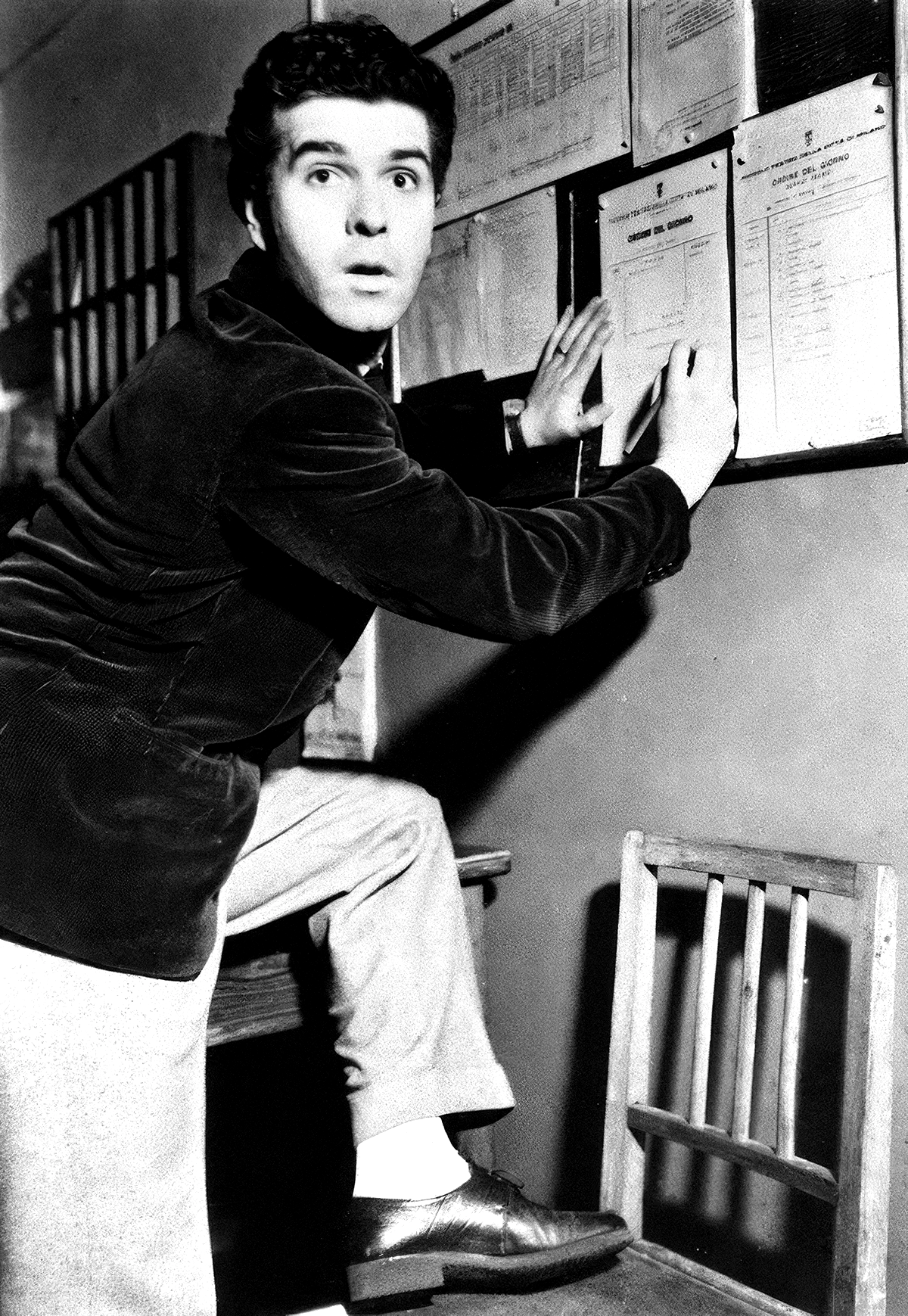
A cross-analysis of the data clearly shows that, for the Piccolo Teatro, the daily schedule was an indispensable component, a true extension of Strehler and Grassi’s artistic vision. Indeed, the documents reflect an organisational model based on rigorous discipline, where every detail of the working day was geared towards the success of the theatrical project, without, however, neglecting the human dimension that characterised the management style of both directors. Furthermore, the analysis reveals that the daily use of the agenda served a very specific purpose: in a theatre such as the Piccolo, divided between the stage, workshops and offices, the sheet on the noticeboard was the only channel of simultaneous communication that everyone – from technicians to actors – was obliged to read. These documents ensured that every message reached its intended recipient.
Bibliography
Bibliography
Alfier, A. (2020). Il sistema di documentazione digitale. Editrice Bibliografica.
Strehler, G. (2024). Un teatro necessario: Le prime stagioni del Piccolo e una selezione di scritti giovanili. Il Saggiatore.