Andrea Camiolo
Supervisor
Prof. Rosario Antoci
Andrea Camiolo
Supervisor
Prof. Rosario Antoci
Trajectories and Relations of Generative Lens-Based Images: Indexicality, Truth, and Post-Photography in the Age of AI
Indessicalità, verità e post-fotografia nell'era dell'AI
Research Question:
How do AI-generated pseudo-photographic images redefine the concept of photographic indexicality and the regime of truth associated with images in the post-photographic era, and what ontological and political implications emerge from their contemporary production, circulation, and reception?
Methodology:
This research adopts a qualitative methodology, integrated with a practice-based approach, aimed at the critical analysis of AI-generated pseudo-photographic images. The study employs a range of methods and research tools, including: theoretical and critical analysis through a systematic review of the literature on post-photography; interviews with artists who incorporate AI into their artistic practice to generate pseudo-photographic images; and practice-based research through the development of artworks that visually investigate the processes of image generation.
Case Study:
An empirical audience study will be conducted to assess participants’ ability to distinguish between photographic images and AI-generated images. Participants will be presented with a selection of images comprising both documentary photographs and AI-generated pseudo-photographic images. For each image, they will be asked to indicate whether they believe it is ‘real’ or ‘AI-generated’, as well as their level of confidence in that assessment. A section for open-ended responses will also be included in the questionnaire, enabling participants to freely express their interpretations, associations, and reflections regarding the images observed. The study sample will be defined according to criteria of socio-demographic diversity and varying degrees of familiarity with generative technologies. Variables such as age, educational background, profession, and level of exposure to digital imagery and AI systems will be considered; not from a perspective of statistical representativeness, but rather from a comparative and interpretative standpoint.
Data Analysis and Interpretation of Results:
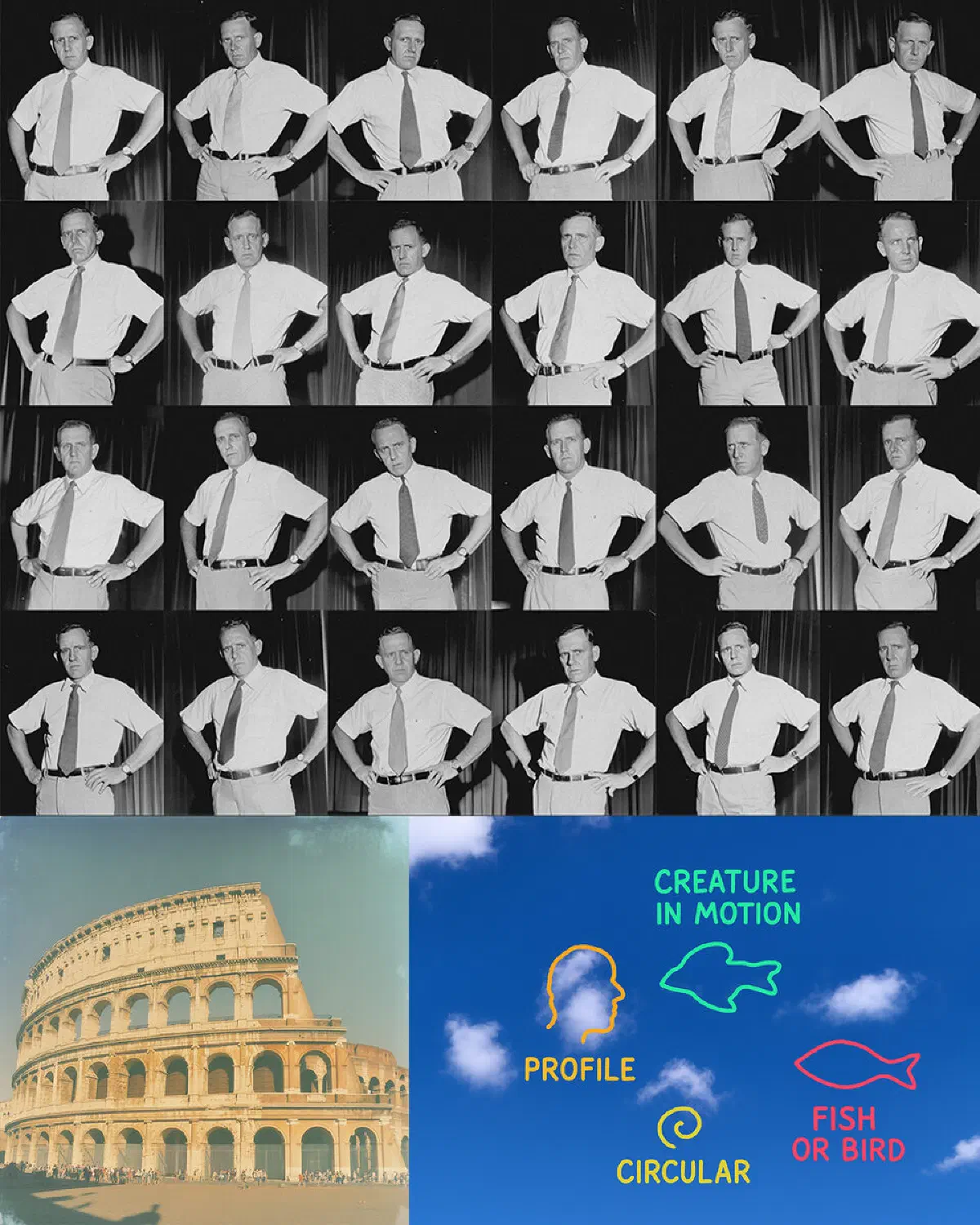
The analysis will bring quantitative findings (participants’ image recognition and confidence levels) into dialogue with qualitative data derived from participants’ open-ended interpretations, with the aim of identifying recurring patterns, discrepancies, and modes of meaning-making associated with the images. The interpretation of the results will integrate multiple analytical levels, consistent with the central research question. At an ontological level, the study will investigate how participants attribute reality, authenticity, and evidential status to images. At a political level, the findings will be examined in relation to the circulation of AI-generated images, through addressing broader transformations in regimes of truth, trust, and visual authority within the post-photographic ecosystem. The results will also be interpreted in relation to the image series developed as part of the practice-based component of the research, including A Portrait Series from the Manhattan Project, The Most Photographed Barn in Italy, and Clouds. Particular attention will be given to the ways in which the dynamics emerging from the empirical investigation intersect with and inform the artistic practice.
Bibliography
Bibliography
Camporesi, S. (2025). Una foto è una foto è una foto. Einaudi.
Fontcuberta, J. (2024). Oltre lo specchio: La fotografia dall’alchimia all’algoritmo (S. Giusti, Trad.). Einaudi.
Grespi, B., & Villa, F. (a cura di). (2024). Il postfotografico: Dal selfie alla fotogrammetria digitale. Einaudi.
Ritchin, F. (2025). L’occhio sintetico. Einaudi.
Zanchi, M. (2022). La fotografia come medium estendibile. Postmedia books.